
Stay away from unsafe water and electricity. Use a household shutoff only when you already know its operation and can reach it safely; then arrange the source assessment and any drying separately.
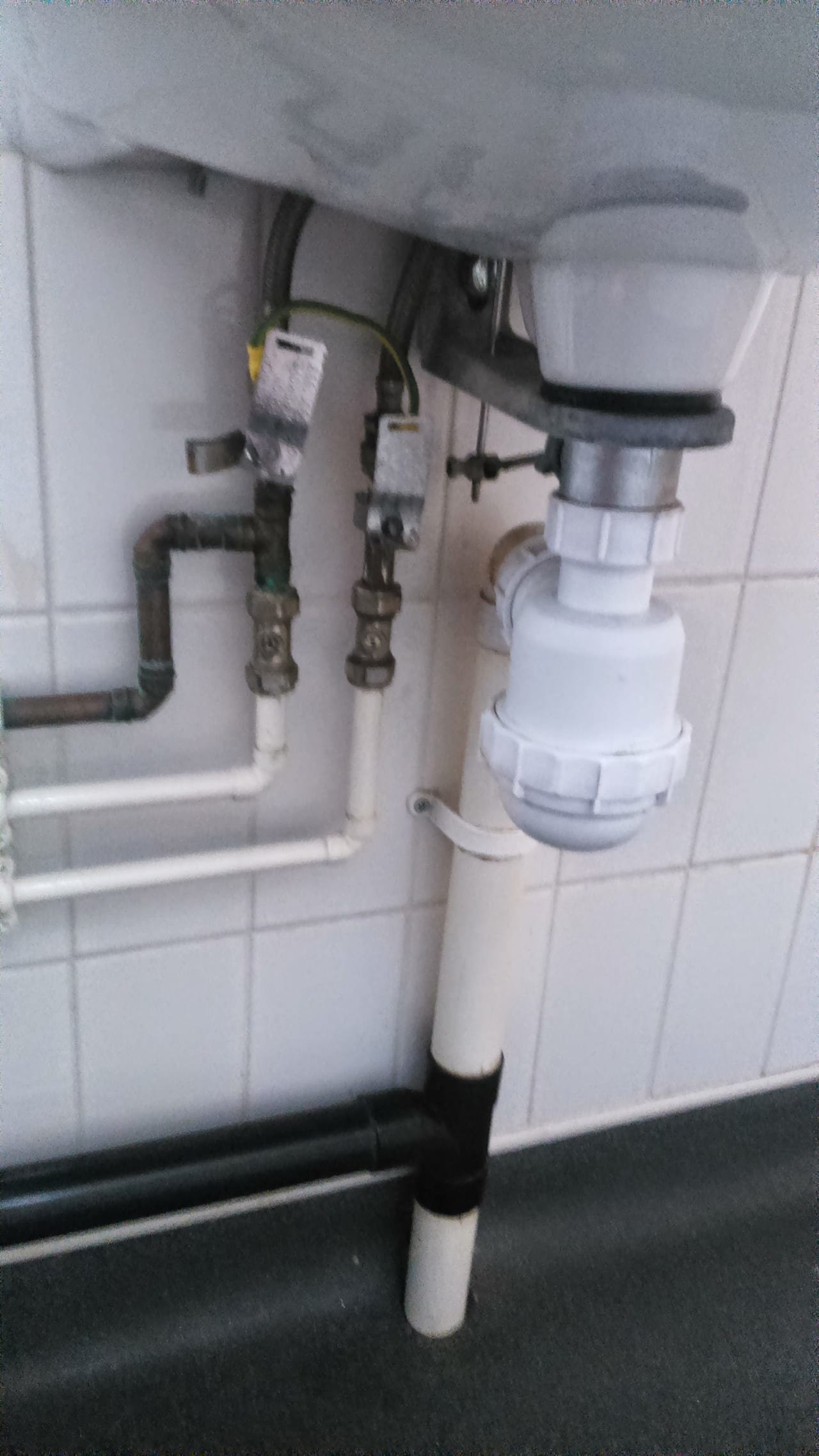
Keep personal safety ahead of diagnosis
Do not touch energized equipment, enter contaminated water or climb into an unsafe space to obtain a photograph. Use appropriate emergency services for immediate danger. A website checklist cannot determine whether a particular wet area is safe. Tell the assessing business about known electrical or contamination concerns before access is attempted.
Use only familiar controls
A safely reachable, familiar household water shutoff may limit escape. Do not force a seized valve, operate utility equipment or adjust gas controls based on this article. If the control is unclear, describe the situation and use the responsible utility or qualified assistance. Record what was isolated and whether water continued.
Keep evidence useful and simple
From a safe position, note the wet area, whether it appears during fixture use and whether other rooms are affected. Accessible equipment information can help. Avoid turning observations into a diagnosis: a ceiling stain does not identify the exact pipe or connection above it.
Plan repair and drying separately
Ask how the source will be located, what access is needed and how the repair will be tested. Drying, damaged finishes and restoration may require a separate scope or trade. In a shared building, contact the manager about authorization and other units before approving an interruption.
Orlando-area preparation
Use the supplier on your bill and the full street address to identify the correct utility and permit jurisdiction. For shared buildings, establish authorization and equipment access. Use Florida DBPR’s license search to verify the business and the person who will perform the requested work; a service-page label does not establish qualifications.
Orlando address and responsibility checklist
Use the water supplier on the bill, property address and actual equipment to prepare the call. For an OUC-served home, distinguish its meter/service responsibility from house-line work. A postal name does not establish utility or permit jurisdiction. Verify the selected contractor through Florida DBPR and ask who handles permits, testing and restoration.
Choose a safe next step
Water near electricity, sewage or unsafe access?
Keep people clear. Do not touch powered equipment or enter hazardous water. Contact appropriate emergency or utility help for immediate danger.
Familiar shutoff safely accessible?
Use it only if you already know its operation and can reach it safely. Do not force a valve or operate a gas valve based on this guide.
Water stopped or source uncertain?
Record the observed area and timing. Ask for investigation, source repair and drying scopes separately. A dry surface does not prove concealed materials are dry.
Take the next step for this problem
Leak detection & pipe repair in Orlando ↗
For address-specific utility and access context, visit Orlando or your locality guide. Confirm the answering business’s availability and any assessment charge.
Related homeowner guidance
Official resources
- OUC: water leaks and responsibility boundaries ↗
- City of Orlando: report sanitary overflow or a stopped sewer ↗
- Florida DBPR: verify the business and license ↗
- EPA WaterSense: finding household leaks ↗
Resources provide general preparation and official contacts. They do not establish provider coverage or endorsement.